Malt Based Food (MBF): Benefits, Types, Applications, and Growing Demand in the Food Industry
Malt Based Food (MBF) refers to food products prepared using malted grains, particularly barley. During the malting process, grains are soaked in water, allowed to germinate under controlled conditions, and then dried to develop their characteristic flavor, aroma, color, and functional properties. Malt-based ingredients are widely used in the food and beverage industry because they contribute natural sweetness, improve flavor, and support product development.
Today, malt-based food products are becoming increasingly popular among food manufacturers looking to create flavorful, convenient, and versatile products. From malted health drinks and breakfast cereals to bakery products, biscuits, confectionery, and nutritional food formulations, malt ingredients offer a wide range of applications.
As consumer preferences continue to evolve, Malt Based Food (MBF) is gaining importance in the development of innovative food products that combine taste, convenience, and ingredient functionality.

What Is Malt Based Food (MBF)?
Malt Based Food (MBF) includes food products that contain malt extract, malt flour, malt powder, or other ingredients derived from malted grains. Barley is one of the most commonly used grains for malt production because of its desirable flavor profile and functional characteristics.
Malt ingredients can be incorporated into different food formulations to enhance taste, provide color, contribute fermentable sugars where relevant, and improve the overall sensory experience of the finished product.
Depending on the formulation and manufacturing process, malt-based foods may be developed for everyday consumption, specialized nutritional applications, or industrial food production.
Common examples of malt-based food products include:
Malted health drinks and beverage mixes
Breakfast cereals and cereal-based snacks
Biscuits, cookies, and bakery products
Chocolate-flavored malt beverages
Malt-based nutritional food preparations
Confectionery and sweet food products
Ready-to-mix food powders
Energy and nutrition-oriented food formulations
The exact nutritional value of these products depends on the ingredients, processing methods, and final formulation.
How Is Malt Used in Food Manufacturing?
Malt production begins with carefully selected grains. The malting process involves several stages that influence the quality and functionality of the final ingredient.
1. Grain Selection
The process starts with selecting suitable grains, commonly barley, according to the intended application and required quality specifications.
2. Steeping
The grains are soaked in water under controlled conditions to increase moisture and initiate germination.
3. Germination
During germination, natural enzymes develop and become active within the grain. These enzymes help break down certain complex grain components into simpler substances that contribute to the characteristics of malt.
4. Kilning
The germinated grains are dried using controlled temperatures. Kilning helps stop germination while developing the desired color, aroma, and flavor profile.
5. Processing into Malt Ingredients
Depending on the application, malted grains may be milled into malt flour or further processed to produce liquid malt extract and malt extract powder. These ingredients can then be incorporated into different food manufacturing processes.
The selection of malt ingredients depends on factors such as solubility, flavor intensity, moisture content, processing requirements, and the characteristics of the finished product.
Types of Malt Ingredients Used in MBF
Different malt ingredients serve different purposes in food formulation.
Malt Extract Powder
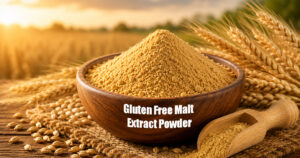
Malt extract powder is a concentrated, dried malt ingredient that is convenient for dry food formulations. It can be used in beverage mixes, bakery products, confectionery, nutritional preparations, and instant food products.
Its powdered form supports easier handling, storage, and blending in suitable manufacturing environments.
Liquid Malt Extract
Liquid malt extract is a concentrated ingredient produced from malted grains. It provides malt flavor, color, and soluble components that can be useful in beverages, bakery applications, sauces, and other food formulations.
Its suitability depends on the desired moisture level, viscosity, sweetness, and processing conditions of the final product.
Malt Flour
Malt flour is produced by milling malted grains. It can be used in selected bakery and cereal applications to influence flavor, color, and dough characteristics.
The amount used depends on the recipe and the activity of the malt ingredients.
Spray-Dried Malt Extract
Spray-dried malt extract is produced by converting liquid malt extract into a powder using a controlled drying process. It is suitable for applications where a dry, easy-to-blend ingredient is preferred.
Food manufacturers may select spray-dried malt extract for instant beverages, dry mixes, nutritional preparations, and other powdered food products, subject to formulation requirements.
Key Benefits of Malt Based Food Ingredients
Malt-based ingredients offer several functional and sensory advantages when appropriately selected and used.
1. Enhanced Flavor and Aroma
Malt contributes a distinctive flavor profile that can include toasted, caramel-like, cereal, and mildly sweet notes. These characteristics can improve the taste of beverages, biscuits, bakery products, cereals, and confectionery.
2. Natural Sweetness and Formulation Flexibility
Depending on the type of malt ingredient, malt can contribute sweetness through naturally occurring sugars. This allows food manufacturers to develop different flavor profiles and adjust recipes according to their product requirements.
However, malt ingredients are not automatically sugar-free or suitable for every reduced-sugar formulation.
3. Versatile Food Applications
Malt extract powder, liquid malt extract, and malt flour can be incorporated into a wide range of food products. This versatility makes malt an important ingredient for manufacturers developing new recipes and expanding existing product lines.
4. Convenient Ingredient Formats
Powdered malt ingredients are useful in dry blends and instant food preparations, while liquid malt extract can be suitable for formulations that require a concentrated liquid ingredient.
Choosing the right format can help manufacturers meet their production, handling, and storage requirements.
5. Support for Product Innovation
Malt ingredients can help manufacturers experiment with different textures, flavors, colors, and ingredient combinations. They can be incorporated into traditional recipes as well as modern convenience foods and beverage mixes.
6. Grain-Derived Nutritional Components
Depending on the processing method and final formulation, malt-based ingredients may contribute carbohydrates and small amounts of protein, minerals, or other grain-derived components.
The nutritional contribution varies by ingredient and product. Malt-based foods should not automatically be considered nutritionally complete or healthier than alternatives without examining their composition.
Applications of Malt Based Food in the Food Industry
Malt Based Food (MBF) has applications across multiple food manufacturing categories.
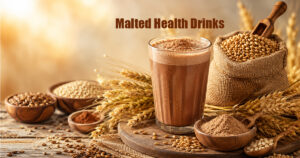
Malt-Based Health Drinks
Malt extract powder is used in various malted beverage mixes because of its characteristic flavor and suitability for dry blending. Manufacturers can combine malt with milk solids, cocoa, cereals, vitamins, minerals, and other ingredients to create different beverage formulations.
The nutritional profile depends on the complete recipe rather than malt alone.
Bakery Products
Malt ingredients are used in selected bread, biscuit, cookie, cracker, and other bakery formulations. Depending on the ingredient and dosage, malt can influence flavor, crust color, and dough performance.
Manufacturers must select the appropriate malt type and level according to the baking process and desired product characteristics.
Breakfast Cereals
Malt ingredients can contribute flavor and color to breakfast cereals, cereal bars, granola, and other grain-based foods. They can also be incorporated into coatings and flavor blends for selected cereal products.
Biscuits and Cookies
Malt extract powder and malt flour can be used to develop distinctive flavors in biscuits, cookies, and crackers. Their compatibility with other ingredients depends on factors such as sweetness, moisture, texture, and baking conditions.
Confectionery and Chocolate Products
Malt ingredients may be included in chocolate-flavored beverages, confectionery, fillings, and selected sweet products. Their cereal-like and caramel-like notes can complement cocoa, dairy ingredients, and other flavor components.
Nutritional Food Formulations
Malt-derived ingredients may be incorporated into nutritional powders, cereal-based preparations, and selected fortified foods. Formulators should evaluate the ingredient’s composition, allergen profile, and compatibility with the intended nutritional requirements.
Conclusion
Malt Based Food (MBF) plays an important role in modern food manufacturing because of the versatility of malt-derived ingredients. From malted health drinks and breakfast cereals to biscuits, bakery products, confectionery, and nutritional preparations, malt extract powder, liquid malt extract, and malt flour offer different functional and sensory benefits.
Understanding the malting process, ingredient formats, application requirements, and quality standards helps food manufacturers make informed decisions during product development.
As demand for innovative food products and convenient ingredient formats continues to evolve, malt-based ingredients provide opportunities for manufacturers to develop distinctive products while maintaining appropriate quality and regulatory standards.
Frequently Asked Questions (FAQs)
1. What is Malt Based Food (MBF)?
Malt Based Food (MBF) refers to food products that contain ingredients derived from malted grains, such as malt extract powder, liquid malt extract, or malt flour.
2. What are the common applications of malt-based food ingredients?
Malt ingredients are commonly used in malted beverage mixes, bakery products, biscuits, breakfast cereals, confectionery, cereal-based snacks, and selected nutritional food formulations.
3. What is malt extract powder used for?
Malt extract powder is used in dry beverage mixes, instant food preparations, bakery products, confectionery, and other formulations that require a powdered malt ingredient.
4. What is the difference between liquid malt extract and malt extract powder?
Liquid malt extract is a concentrated liquid ingredient, while malt extract powder is a dried form. The choice depends on the product formulation, moisture requirements, handling preferences, and manufacturing process.
5. Is malt-based food nutritious?
The nutritional value depends on the ingredients and formulation of the finished product. Malt can contribute carbohydrates and certain grain-derived nutrients, but the overall nutritional profile must be evaluated for each product.
6. Can malt ingredients be used in bakery products?
Yes. Suitable malt ingredients can be used in bread, biscuits, cookies, crackers, and other bakery products to influence flavor, color, and selected processing characteristics.
7. Are malt-based ingredients gluten-free?
Barley malt and ingredients derived from barley generally contain gluten and are not suitable for people who must avoid gluten unless a product is specifically verified and labeled as appropriate under applicable standards. Manufacturers should verify the grain source and gluten status before making gluten-free claims.