Introduction to Malt-Based Food Products
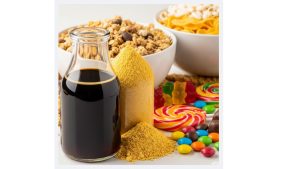
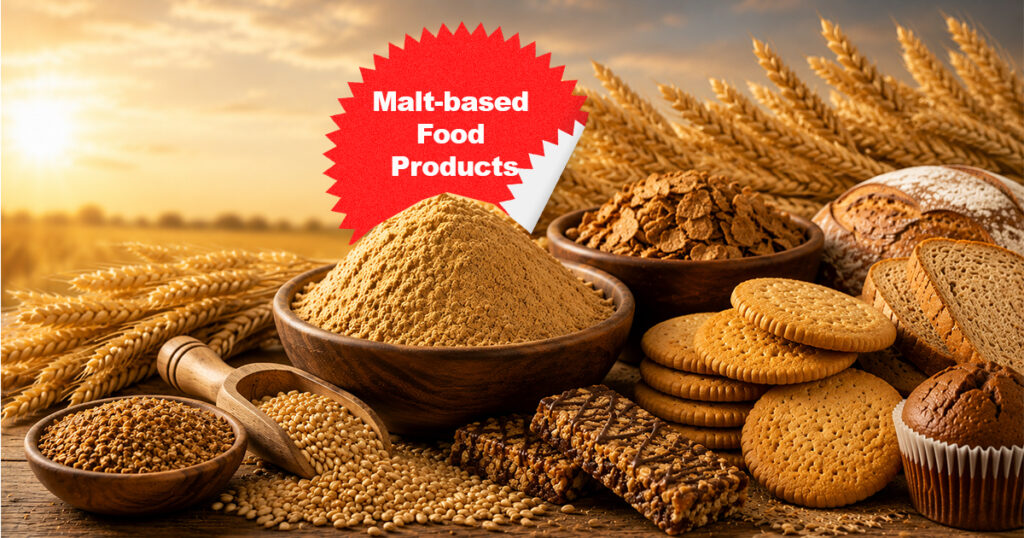
Malt-based food products play a critical role in today’s food and drinks industry. The distinctive flavor, nutritional value, and versatility that characterize these foods have made them indispensable food products in numerous applications. Bakery products, breakfast cereals, drinks, and health supplements remain popular areas of application for malt-based food products, among others.
The increasing preference for clean-label foods and natural ingredients has also contributed significantly to the widespread use of malt-based food products across the globe. Malt-based foods are obtained from barley, wheat, and other grain crops. These foods provide natural sweetness, better textures, improved appearance, and other nutritional benefits.
The use of malt-based food products by food producers continues to increase due to their ability to enhance the quality and nutrition of food products.
Understanding Malt and Its Production Process
What Is Malt?
Malt refers to cereals which have undergone germination and have been dried. Barley is the common grain used for producing malts, although other grains like wheat, rye, and sorghum can also be used for making malts.
In germination process, the enzymes of the grain are made active. The activity of enzymes results in the conversion of starches to simple sugars.
How Malt Is Produced
The basic processes involved in malt manufacturing include the following:
1. Cleaning and sorting of grains.
2. Steeping of grains in water.
3. Regulation of the process of germination.
4. Drying/Kilning.
The process of germination triggers the activation of enzymes that catalyze the breakdown of complex carbohydrates. Drying prevents any further activity of the enzymes while producing the characteristic taste and color associated with malts.
Some products manufactured using malt include the following:
• Malt extract.
• Malt powder.
• Malt syrup.
• Liquid malt extract.
• Spray-dried malt ingredients.
Nutritional Value of Malt-Based Food Products
One primary factor for the increasing consumption of malt food products is their nutritious profile.
Benefits of nutrients found in malt and their functions:
– Carbohydrates: source of energy
– Proteins: essential for growth
– Fiber: facilitates digestion
– B vitamins: facilitate metabolism
– Iron: promotes proper blood development
– Magnesium: benefits muscles and nerves
– Potassium: beneficial to the heart
These nutrients contribute to the overall value of malt-based food products in balanced diets.
Health Benefits of Malt
Energy generation
Carbohydrates occur naturally in malt and provide a constant supply of energy.
Digestive system improvement
Dietary fiber found in some types of malt aids in digestion and promotes good digestion.
Nutritional supplementation
Malt-based meals can contribute to one’s diet in terms of vitamins and minerals.
Substitute for sugar
A lot of manufacturers prefer using malt as an alternative to sugar.
Major Types of Malt-Based Food Products
Depending on the applications of the malt product in the food industry, different types of malts are available.
Malt Extract
Malt extract is prepared from soluble malt products through concentration.
Forms: liquid and powdered.
Major advantages:
– Natural sweetness
– Better taste
– Deep coloring
– Consistent
Malt Powder
The product is produced through spray drying or other drying processes. It is well preserved and has high stability during storage.
Common applications:
– Baking products
– Drink mixes
– Nutraceuticals
– Milk products
Malt Syrup
The syrup improves flavor and moisture retention in the food.
Common applications:
– Breakfast cereal
– Bar snacks
– Bakery
– Specialty drinks
Malted Cereal
Popular and nutritious breakfast that also serves as a food ingredient due to its high nutritional value. Malted cereals have become more popular lately due to an increasing interest in healthy foods.
Applications of Malt-Based Food Products
Malt-based foods can serve various industries in their applications.
Bakery Industry
Bakers extensively use malt components. Advantages:
– Easier dough preparation
– Enhanced crust coloring
– Improved yeast fermentation
– Increased loaf size
– Greater shelf life
Popular products using malt include:
– Bread
– Cookies
– Cakes
– Crackers
– Biscuits
Malt helps maintain high-quality bakery products and increase food attractiveness among consumers.
Beverages Industry
Malt plays an integral role in beverages manufacturing. Typical uses are:
– Malt beverages
– Healthful drinks
– Nutritional drinks
– Craft beverages
– Alcohol-free malt beverages
Malt contributes to better drink characteristics because of its natural flavor.
Dairy Industry
Today more and more dairy products incorporate malt into their formula as:
– Milk powders
– Fortified milks
– Yogurt products
– Dairy desserts
– Ice cream bases
With malt inclusion, dairy products gain unique taste characteristics.
Confectionery Industry
Malt has long been used by chocolatiers and candy makers in:
– Chocolate
– Candy
– Caramels
– Toffees
– Snack coatings
The use of malt enhances taste and texture.
Nutritional Supplement Industry
In light of health trends, malt is becoming popular among nutritional supplements, including:
– Protein powders
– Meal replacement products
– Sports nutrition products
– Child nutrition products
– Geriatric nutrition products
Benefits of Using Malt-Based Food Products
There is a lot of sense behind using malted foods as an ingredient in many products.
Enhanced flavor
Malts have the capability to add a nice natural sweet flavor to foods.
Improved mouthfeel
Malts help improve mouthfeel as well as uniformity.
Natural ingredient preference
A lot of consumers today prefer products made from natural ingredients.
Versatility
Malt may function as:
– Flavor enhancer
– Sweetener
– Fermentation agent
– Coloring substance
– Thickener
Advantages of a clean label
The trend toward clean labeling makes malt-based foods more popular than ever before.
Growing Demand in the Global Food Industry
The world market for malted foods continues to be stimulated by various factors:
– Increasing demand for functional foods
– Growing bakery sales
– Nutritional beverages growth
– Clean label movement
– Health consciousness of consumers
According to industry studies, the worldwide malt ingredients market is anticipated to continue expanding due to the demand for versatile natural food products from manufacturers.
Sustainability & Future Trends
Sustainability is one of the key issues in the food business.
Upcoming trends in malted foods include:
– Sustainable Sourcing: Companies purchase grains from reliable sources.
– Efficient Processing Techniques: Innovative methods enhance productivity without compromising quality.
– Functional Ingredient Formulations: Novel formulations target certain health conditions and dietary needs.
– Malt in Plant-Based Foods: Opportunities offered by a fast-growing plant-based food market.
– Personalized Nutrition: Individual nutrition demands will drive demand for customized malt-based products.
Challenges in Malt Product Manufacturing
Though there are several benefits, manufacturers encounter certain problems.
Availability of Raw Materials
Weather influences both growing and availability of grains.
Consistent Quality
Maintaining consistent quality requires tight control during production.
Food Safety Regulations
There are constant changes in food safety and labeling regulations that must be complied with.
Market Competition
Competition in the ingredients market has been rising recently.
Nevertheless, technological advancement helps manufacturers cope with these difficulties.
Frequently Asked Questions
1. What are malt-based food products?
These are food products that are based on malted cereal grains, such as barley, providing taste, sweetness, nutritional content, and functionality.
2. Are malt-based food products healthy?
Yes. When consumed as part of a varied diet, they can provide carbs, vitamins, minerals, and dietary fiber.
3. Which industries utilize malt-based food products?
They are mainly used in bakery, beverages, dairy, confectionery, nutritional supplement, and snack foods industries.
4. How does malt extract differ from malt powder?
The former is mostly liquid, whereas the latter is dry and easy to store and use.
5. Why are malt-based food products beneficial in bakery?
They allow better dough leavening, crust coloring, and provide additional taste and freshness.
6. Could malt-based food products be used in nutritional supplements?
Yes. These food products are used frequently for sports nutrition, meal replacements, and other functional products.
7. Are malt-based food products compatible with clean-label products?
Yes. Malts are natural ingredients and are considered compatible with a clean label concept.
8. What is the future of malt-based food products?
There will be significant growth in demand for functional foods, plant-based, and sustainability.
Conclusion
Malt-based foods products play an integral role in the modern global food and beverages industry. Such foods offer benefits related to taste, texture, nutrition, and functionality, thus making them useful in providing innovative products for manufacturers.
With rising consumer awareness, there will be increased need for natural, nutritious, and environmentally sustainable products. Thereby, the potential for the use of malt-based foods will expand since they are highly useful in different sectors including baked foods, beverages, dairy products, and supplements among others.
Manufacturers who adopt high quality malts sustainably and focus on product development will be well-positioned for the changes witnessed in the food industry.